
Behind the Cover: Designing The Cognitive Craftsman™
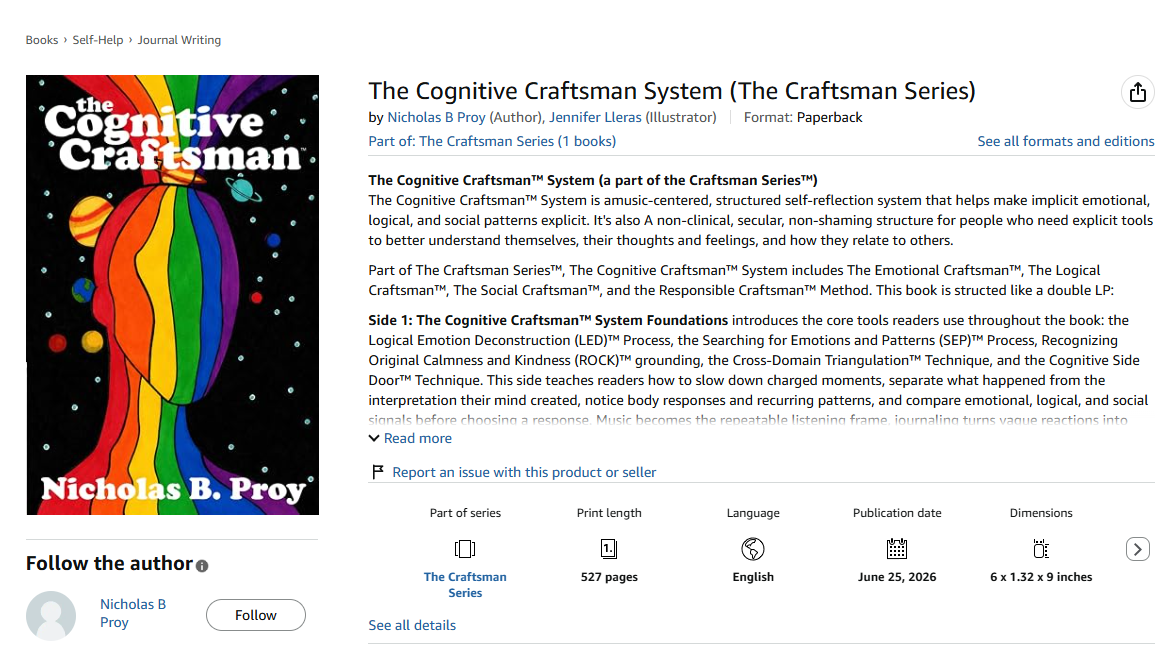
As designers, we spend a lot of time solving visual problems. Sometimes a project is simply about creating something attractive. Other times, it's about translating an idea that exists only inside someone else's head into something people can understand before they've read a single word.
Designing the cover for Nicholas Proy's first book, The Cognitive Craftsman, was definitely the latter.
Before I ever picked up a pencil, Nick and I spent countless hours talking about the themes behind the book. It quickly became clear that this wasn't a traditional self-help book. Music wasn't simply something he enjoyed. It was woven into the way he processed emotions, reflected on life, and ultimately developed the ideas that became the Cognitive Craftsman System.
That realization sent me down a rabbit hole.
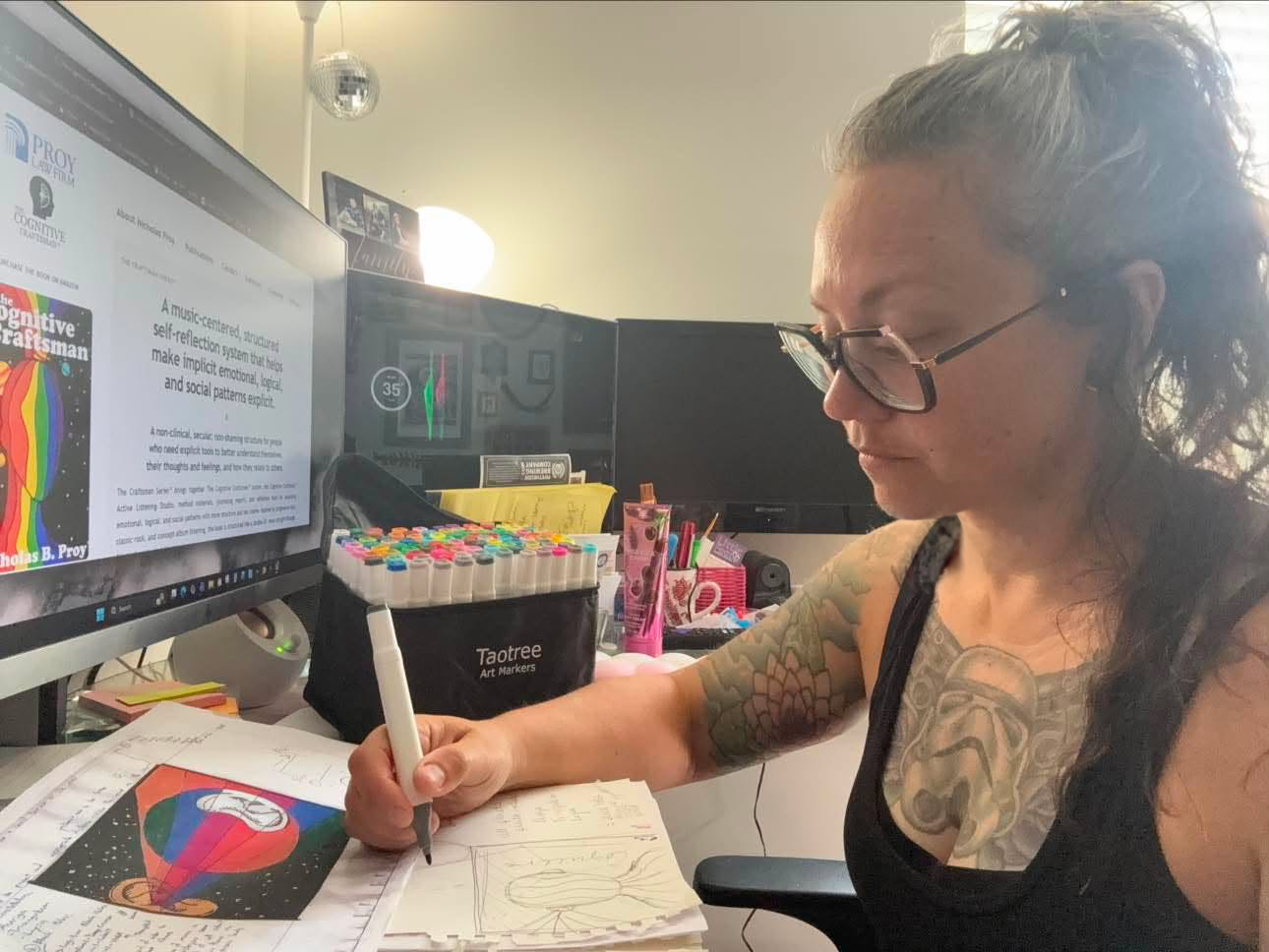
I began researching progressive rock and classic album artwork from the 1970s, studying the visual language of artists whose albums became part of Nick's life. What immediately stood out was how often rainbows appeared throughout that era. They weren't simply colorful graphics. They symbolized journeys, hope, discovery, imagination, and exploration. Those ideas fit perfectly with the story Nick was trying to tell.
Space imagery appeared just as frequently.
Planets, galaxies, stars, and cosmic landscapes were recurring themes throughout many of the album covers that inspired us. They represented something larger than ourselves, unknown places waiting to be explored, and the feeling that discovery often begins by looking inward as much as outward.
Those ideas became the foundation of the artwork.
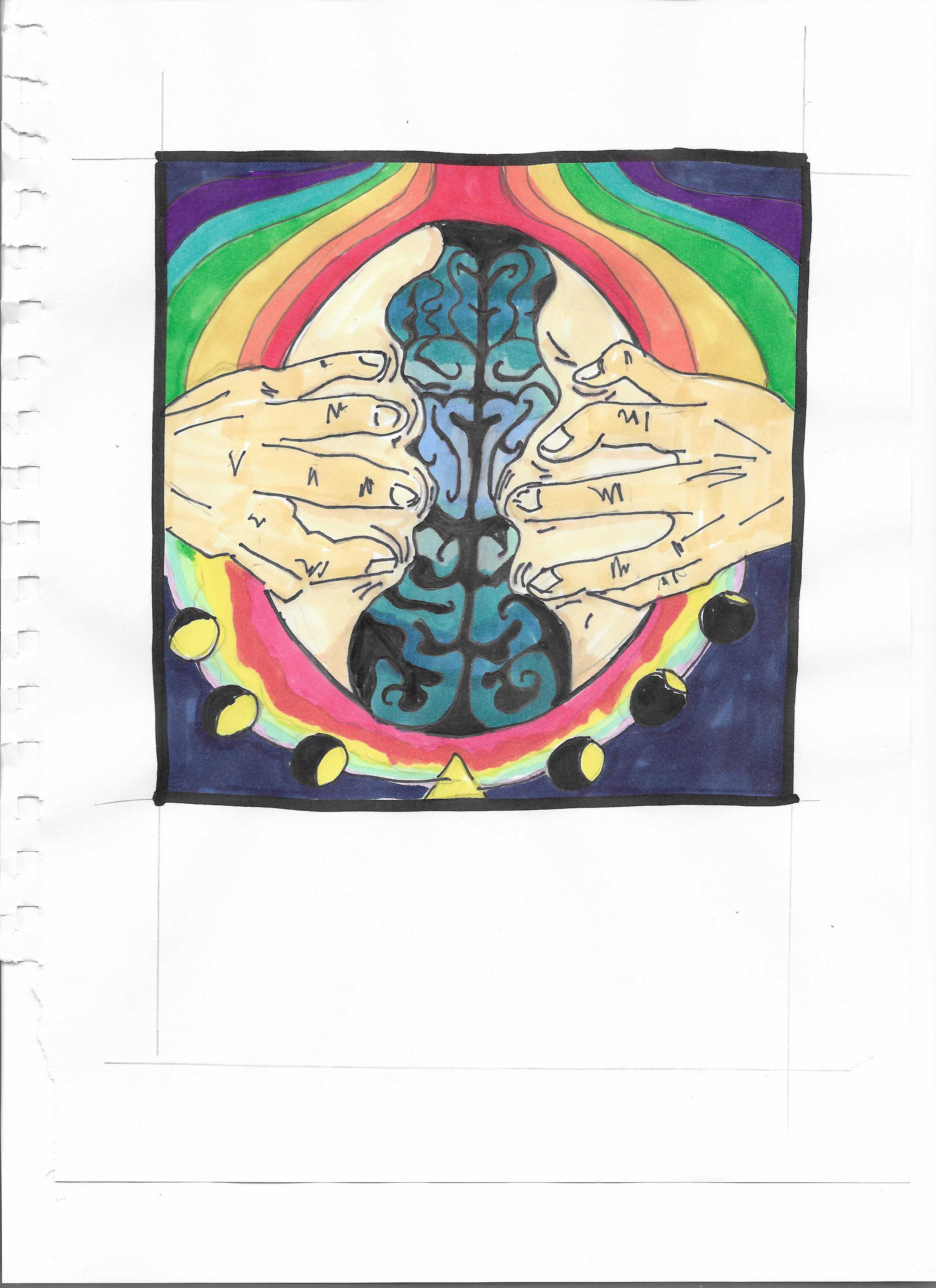
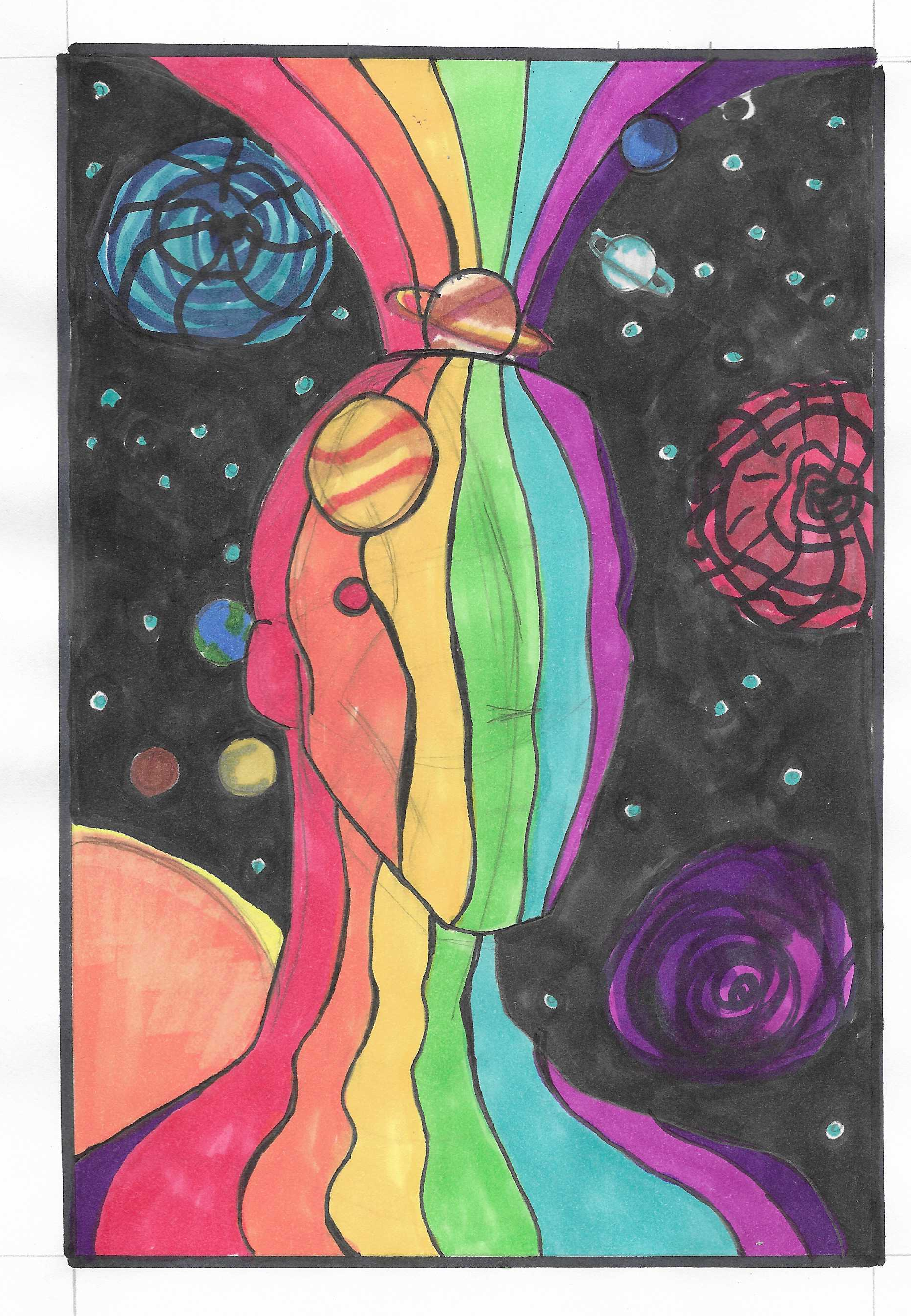
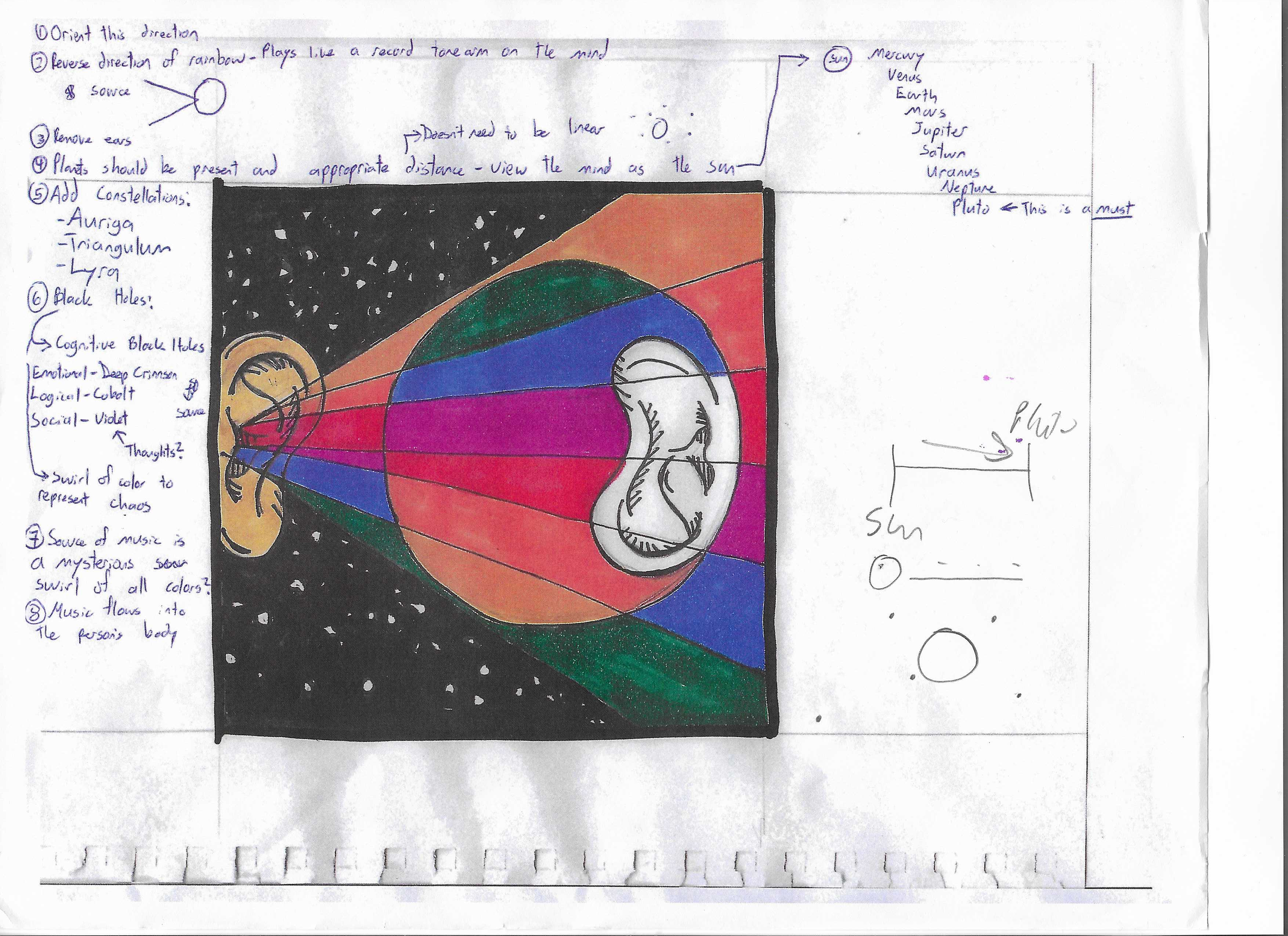
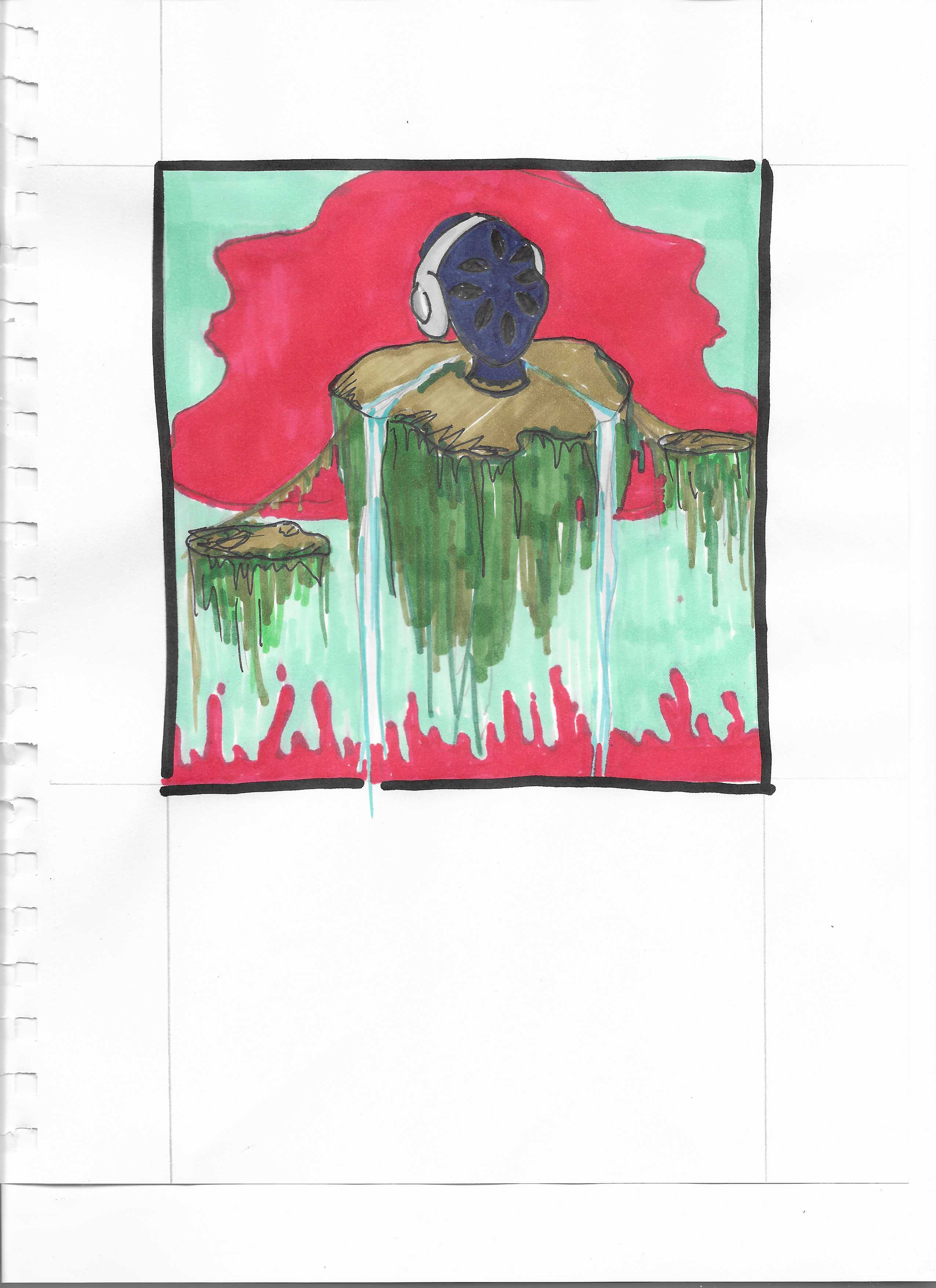
The cover itself began as a hand-drawn illustration before being digitally refined. I wanted it to feel organic and artistic rather than perfectly manufactured. That handcrafted quality was important because the book itself is deeply personal. It wasn't written by an algorithm or assembled from trends. It was built through years of reflection, therapy, journaling, and discovery.
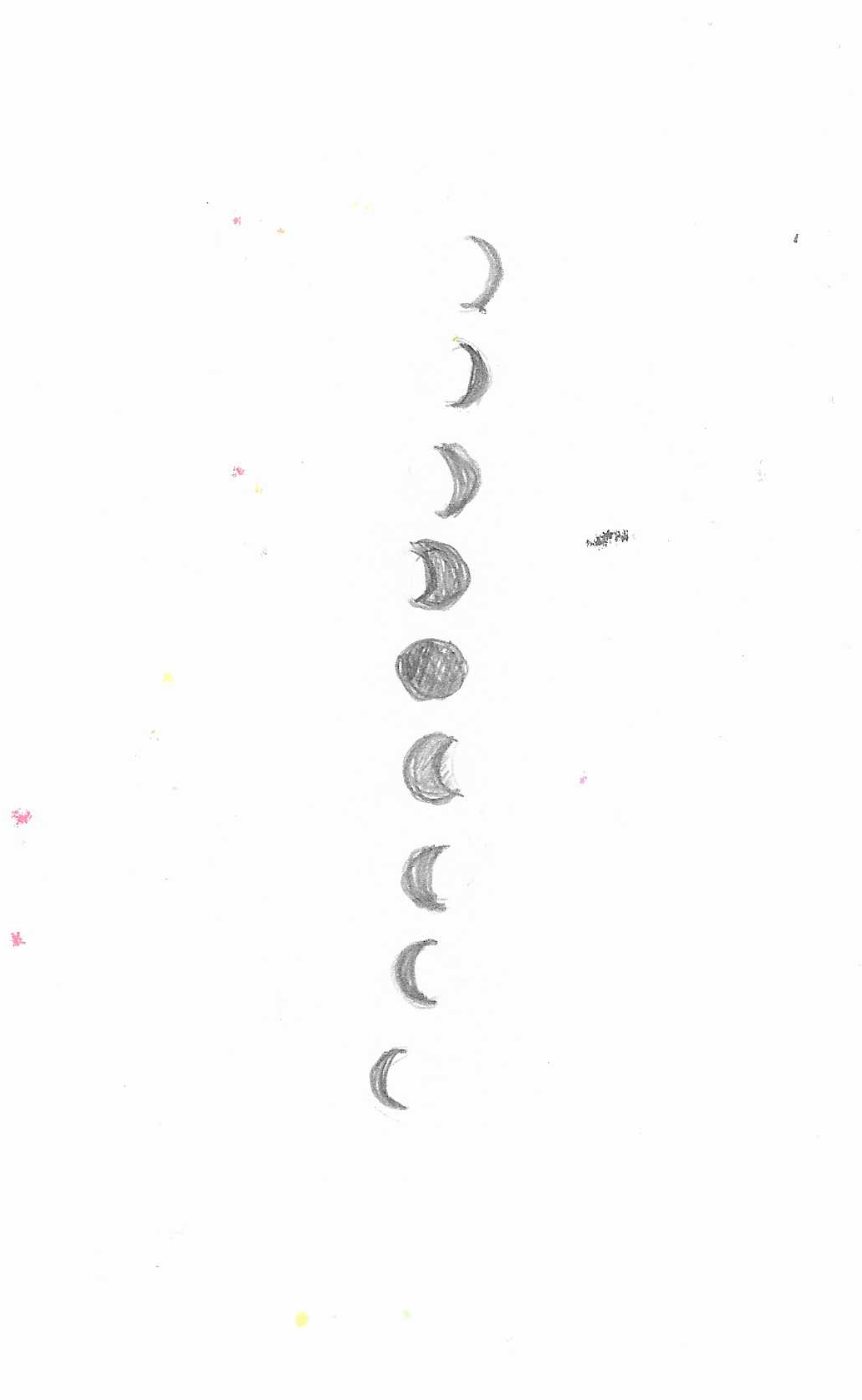
As the artwork evolved, Nick became an active creative partner. He suggested incorporating moon phases and additional planetary connections that reinforced many of the concepts found throughout the book. What started as a simple illustration slowly transformed into something that felt symbolic without becoming overly literal.
One of my favorite parts of the project, however, wasn't the front cover.
It was the back.
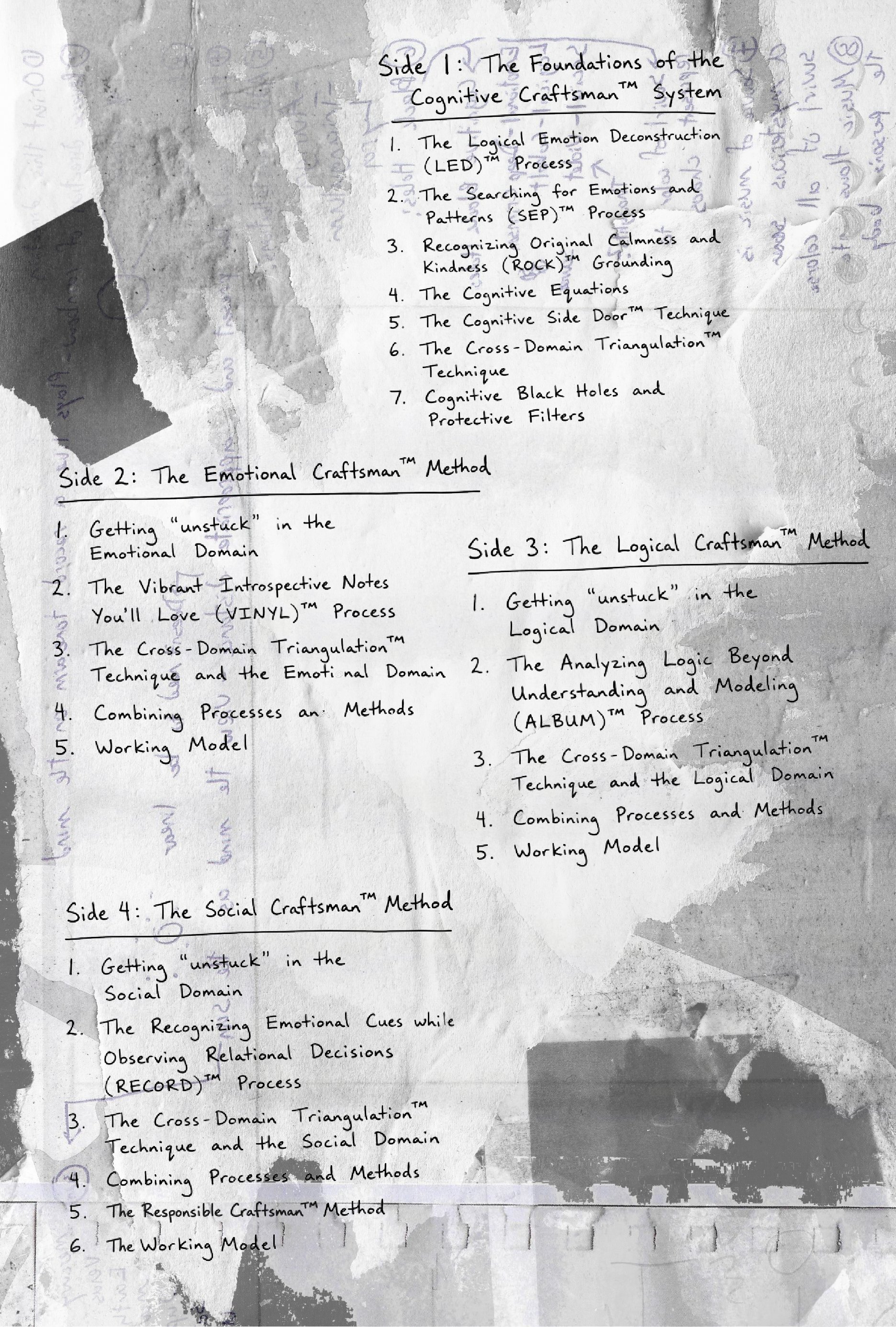
Using months of brainstorming notes, sketches, conversations, and artwork we'd already created together, I built the back cover almost like a vintage album sleeve. Handwritten notes, track-inspired titles, layered textures, and visual references all came together to make it feel as though readers were holding something they might have discovered in a record store decades ago.
Every graphic designer has those rare moments where everything simply clicks.
You spend days or weeks refining an idea, wondering if you've gone too far or not far enough. Then you send the proof to your client, hoping they'll connect with the vision you've been carrying around in your head.
Nick's response?
"It's perfect."
As designers, we don't hear those words very often.
In fact, I can probably count on one hand the number of times in my career where the very first presentation required virtually no changes. It's one of those moments you remember because they're so rare. Usually there's another revision, another adjustment, another round of edits. This time, there wasn't.
That made this project especially rewarding.
More than anything, this book reminded me why I love creating artwork that begins with a blank sheet of paper instead of a template. Great design isn't about following trends. It's about listening, researching, collaborating, and finding visual metaphors that tell a story before a reader even opens the cover.
I'm incredibly grateful that Nick trusted me with such a personal project, and I couldn't be happier to see The Cognitive Craftsman™ now available to readers everywhere.
Sometimes the best creative projects happen when two people are simply willing to explore an idea together.